At a glance
- Total time
- All year round
- Official fees
- Free
- Where
- Everywhere
- Bulgarian needed?
- A few words go a long way
Some Bulgarian traditions you will notice on your first day, like the famous head nod. Others arrive with the calendar: red-and-white bracelets in March, masked dancers in winter, and name days all year round. Here is what they mean and how to join in.
Nodding for “no”
Traditionally, Bulgarians shake their head from side to side to mean yes and nod up and down to mean no. Many people, especially younger ones, adapt when they talk to foreigners, which makes it even more confusing. When in doubt, listen for “да” (da, yes) or “не” (ne, no).
Name days
Many Bulgarians celebrate the day of the saint they are named after, sometimes more than their birthday. On their name day, people bring sweets or drinks to work, and friends call to congratulate them. Big ones include St Ivan’s Day (7 January), St George’s Day (6 May) and St Nicholas’s Day (6 December, when people eat fish). Say “Честит имен ден!” (chestit imen den, happy name day).
Baba Marta and martenitsi (1 March)
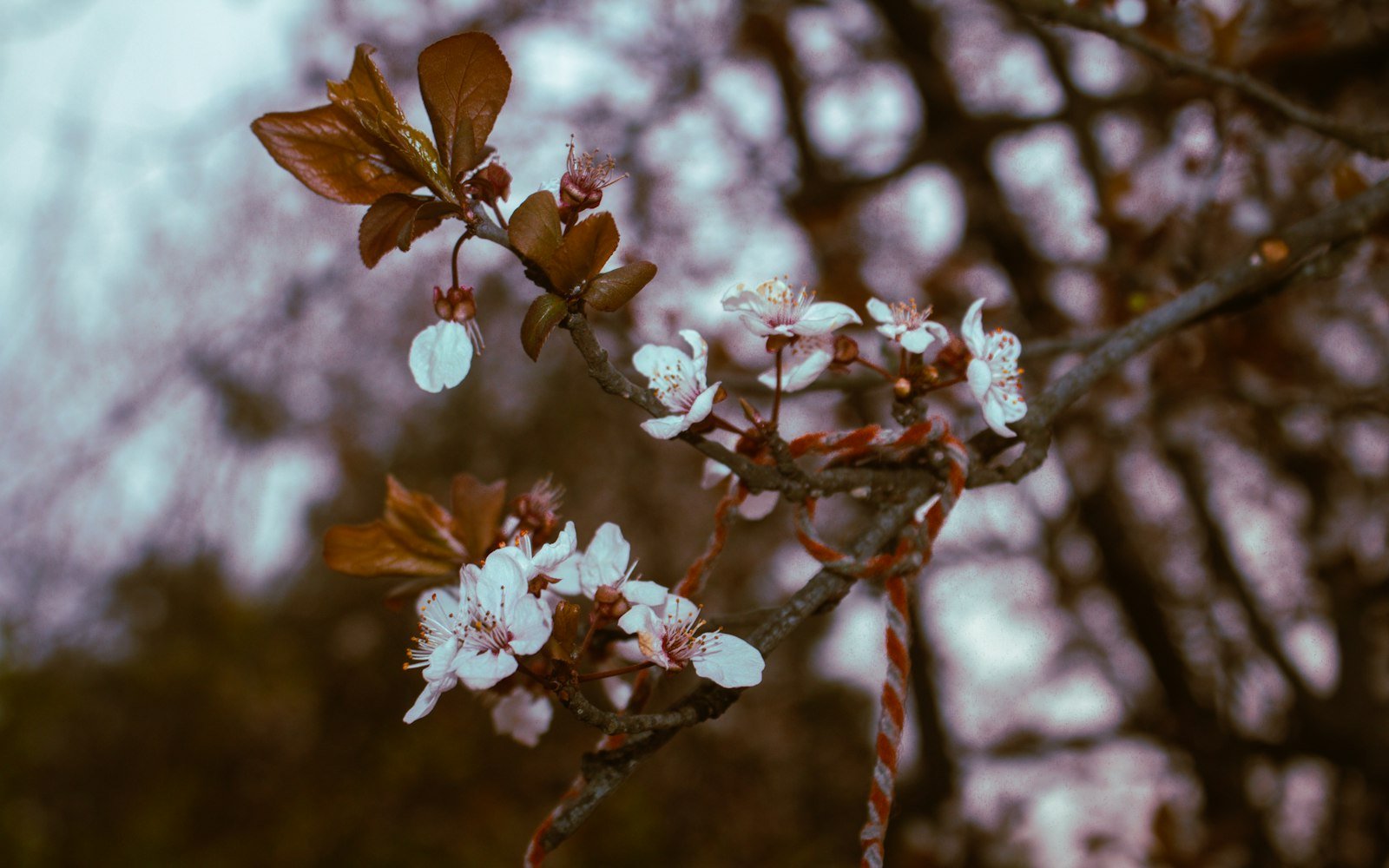
On 1 March, people give each other martenitsi, small red-and-white decorations of wool, for health and the coming of spring. You wear yours on your wrist or clothes until you see a stork, a swallow or a tree in blossom, then tie it to a blossoming tree. The tradition is recognised by UNESCO.
Kukeri and Surva
In winter, men in huge masks, furs and heavy bells dance through villages to chase away evil spirits. The biggest festival is Surva in Pernik, near Sofia, at the end of January, also on UNESCO’s list. See our events calendar.
Christmas and Easter
- Christmas Eve (Бъдни вечер, “Badni vecher”): an odd number of meatless dishes, and a round bread or banitsa with small fortunes baked inside.
- Easter is the biggest religious holiday. People dye eggs, bake sweet kozunak bread and tap eggs together: the one whose egg doesn’t crack will have the healthiest year. Say “Христос воскресе!” (Hristos voskrese), and the answer is “Воистина воскресе!” (Voistina voskrese).
National days
- 3 March: Liberation Day, the national holiday.
- 24 May: the Day of Bulgarian Education and Culture and Slavonic Literature, celebrating the Cyrillic alphabet. Expect school parades and flowers.
- 6 September (Unification Day) and 22 September (Independence Day).
Everyday etiquette
- Flowers: give an odd number. Even numbers are for funerals.
- Visiting a home: bring something small, and expect to take off your shoes. Your hosts may offer you slippers.
- Toasting: say “Наздраве!” (nazdrave) and look people in the eye.
- Formal or informal: use “вие” (vie, the polite “you”) with people you don’t know, and wait to be invited to use first names.
Sources
Traditions vary between regions and families. Ask your Bulgarian friends how they celebrate.