At a glance
- Total time
- Any 180-day period
- Official fees
- Free, but overstays bring fines and bans
- Where
- EES checks at every border
- Bulgarian needed?
- Not needed
Bulgaria has been a full member of the Schengen area since 1 January 2025. If you visit without a visa, for example on a US, UK, Canadian or Australian passport, you can stay for 90 days in any 180-day period. That limit covers the whole Schengen area, not each country.
How the days are counted
- The 180 days are a moving window. On any day, look back over that day and the 179 days before it. You must have spent no more than 90 days in Schengen in that time.
- The day you arrive and the day you leave both count as full days, even if you are only there for an hour.
- Leaving Schengen does not reset the count. Days only stop counting once they drop out of the 180-day window.
- Days in Bulgaria, Greece, Romania, Croatia and every other Schengen country are added together.
An example
| Trip | Days used | What it means |
|---|---|---|
| 1 March to 29 April in Bulgaria | 60 | 30 days left in the window |
| Two weeks in Turkey or the UK | 0 | Outside Schengen, but the 60 days still count |
| Back on 14 May | 30 more allowed | You must leave by 12 June, unless older days have dropped out of the window |
The simplest way to check is the European Commission’s short-stay calculator. Enter your past trips and it tells you how many days you have left.
The new Entry/Exit System (EES)
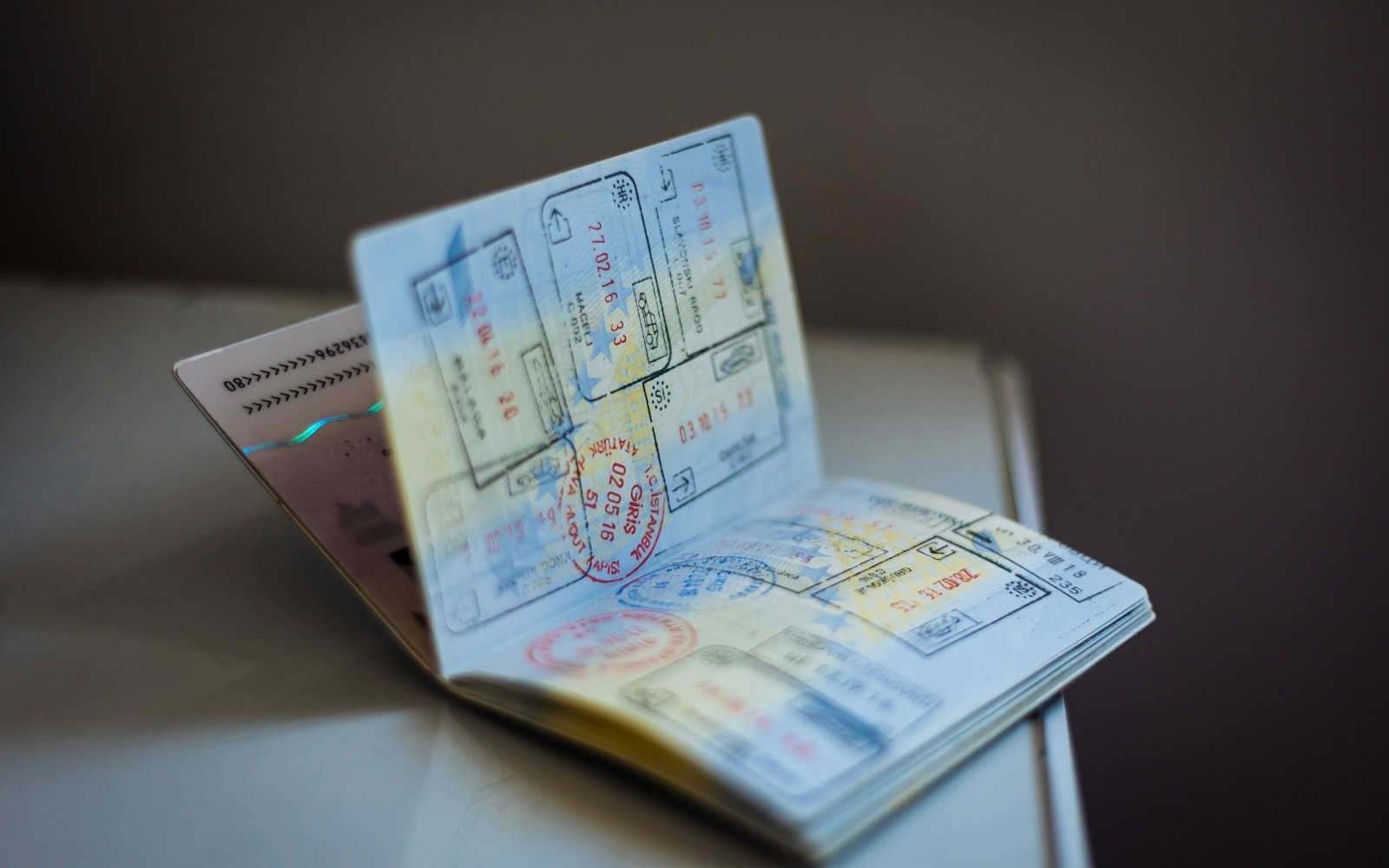
Since 10 April 2026, all Schengen borders use the Entry/Exit System. It registers your face and fingerprints the first time you cross, and then records every entry and exit digitally. Passports are no longer stamped. EES counts your days automatically, so an overstay is now spotted at once, at any Schengen border.
ETIAS, the online travel authorisation for visa-free visitors, has not started yet. When it does, it will not change the 90/180 rule.
If you want to stay longer
- EU, EEA and Swiss citizens are not limited to 90 days. If you stay over three months, register. See our EU registration certificate guide.
- Everyone else needs a Type D visa and then a residence permit. See our residence guide.
- Time in Bulgaria on a Bulgarian Type D visa or residence permit does not use up your 90 days. Time in other Schengen countries may still count, so check before a long trip.
- You usually cannot switch from a visa-free visit to residence from inside Bulgaria. Apply for the Type D visa at a consulate before your days run out.
Don’t overstay. Even a few days over can bring a fine, an entry ban for the whole Schengen area of up to several years, and trouble with future visa applications. EES records it for every border.
Common mistakes
- Thinking a short trip out of the area, to Turkey or Serbia, resets the 90 days.
- Counting only the days spent in Bulgaria, and forgetting time in Greece or Italy.
- Treating it as 90 days per calendar quarter. It is a rolling window.
- Waiting until day 85 to look into a long-stay visa.
Sources
- European Commission: short-stay calculator
- European Union: Entry/Exit System
- European Union: ETIAS
- GOV.UK: Bulgaria entry requirements
General information, not legal advice. If your situation is unusual, check with the Migration Directorate or an immigration lawyer before you travel.